
Food for the Planet
Protecting nature and reducing environmental impact through food
The Food for the Planet theme recognises the vital role food plays in tackling climate change and protecting natural resources. Across South Tyneside, initiatives focus on reducing food and packaging waste, promoting energy-efficient cooking, increasing plant-rich food choices and supporting more sustainable production and consumption. Through public engagement, education and partnership working, this theme uses food as a practical way to support climate action, environmental responsibility and a healthier future for people and planet.
Pro Veg
Carbon Reduction
Eat For The Planet
Green Doctor
Animal Protection
Carbon Literacy
Groundwork
BIND
Food Re-distribution networks
Food Waste Collections For Business
Community Composting
Life Of A Potato
Feed The Fish
Reuseable Cups Collaboration
South Shields Fc Reuseable Cup Collab
ProVeg Silver for South Tyneside Catering Team
Embedding plant-based meals into everyday school menus.
South Tyneside’s school catering service has worked closely with ProVeg UK to increase the quality, appeal and uptake of plant-based meals across primary and secondary schools. As a result, the 2023–24 school menu achieved a ProVeg Silver Award, a rare achievement nationally and a strong marker of leadership in sustainable public catering.
The programme focused not just on menu changes, but on building confidence and skills among catering staff. Training demonstrated that plant-based meals can be affordable, nutritionally balanced and popular with children, helping to challenge common misconceptions. Importantly, this work embeds sustainable food choices into everyday routines, shaping habits and preferences for thousands of young people across the borough.

Council Carbon Reduction & Sustainability Team – Food Engagement
Making climate-friendly eating engaging and accessible for all.
The Council’s Carbon Reduction & Sustainability Team has used food as a practical and relatable way to engage residents with climate action. Activities have included Earth Day events in community libraries, combining recipe demonstrations with information on climate-friendly eating, as well as visual prompts in leisure centre and library cafés promoting plant-based choices and resource efficiency.
During COP26, coordinated campaigns across council venues highlighted seasonal eating, packaging reduction and vegan menu options. The team has also developed interactive engagement tools, such as “higher or lower” games exploring the carbon footprint of everyday foods, helping residents understand impact without judgement or technical language.
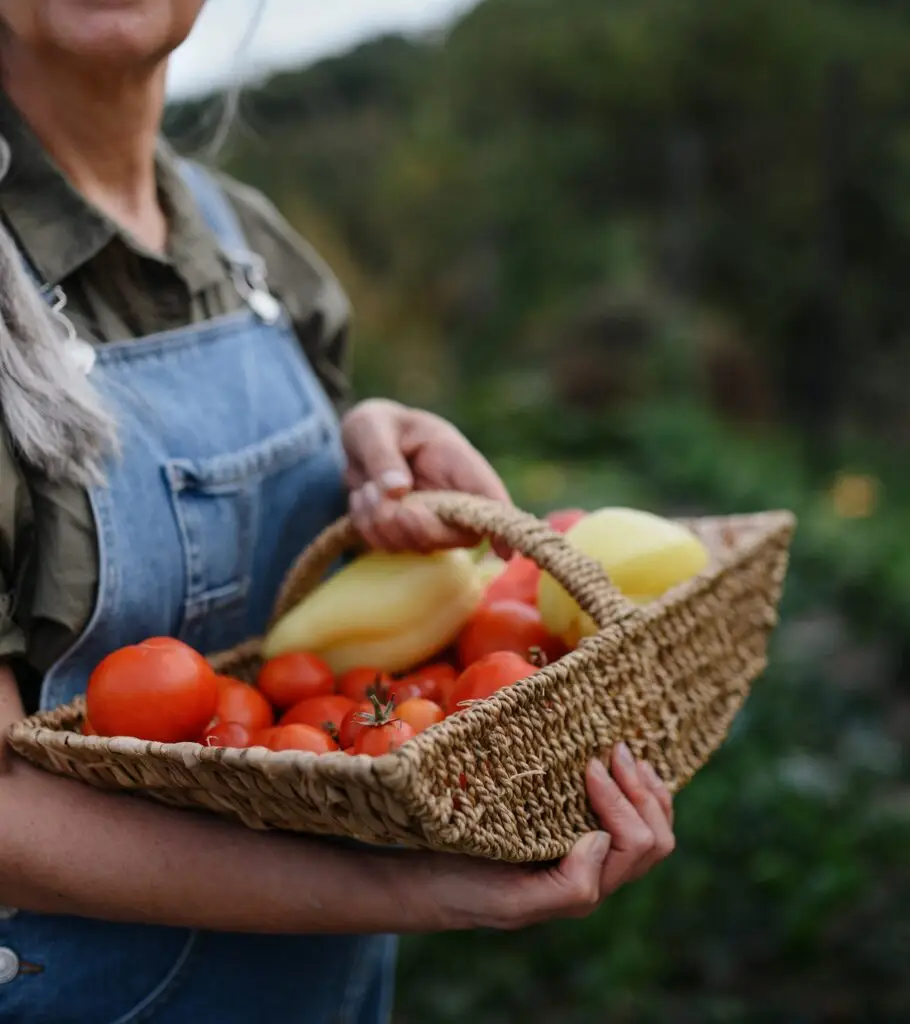
Eat For The Planet
Practical tips to reduce your food-related carbon footprint.
The Eat for the Planet webpage provides residents with clear, practical guidance on how everyday food choices can reduce environmental impact. Rather than promoting perfection, the content focuses on achievable actions such as eating seasonally, reducing packaging, cutting food waste and choosing more plant-based meals.
By positioning food as a positive lever for climate action, the page supports residents to make informed choices that also benefit health and household budgets.

Groundwork Green Doctor
Groundwork – Energy-Efficient Cooking & Green Doctor
Practical support to cut bills, emissions and cook healthy meals.
Groundwork supports households to reduce emissions and food-related costs through energy-efficient cooking advice delivered via the Green Doctor programme. Through the Household Support Fund, slow cookers and air fryers are distributed alongside recipe books focused on affordable, nutritious meals.
This practical support helps households cut energy bills, reduce carbon emissions and maintain healthy diets during periods of financial pressure.

Animal Protection Charter
Guiding catering towards more ethical and sustainable choices
The Animal Protection Charter commits the Council to considering animal welfare alongside environmental sustainability. This includes exploring catering approaches that reduce meat consumption and increase plant-based alternatives, aligning with climate goals and healthier diets.
The Charter provides a framework for ethical decision-making across services and reinforces the role of public sector leadership in shaping more sustainable food systems.

Carbon Literacy Training
Equipping staff and partners to make sustainable food choices.
Carbon Literacy training delivered to council staff and elected members includes a dedicated food sustainability component, highlighting the climate impact of food production, procurement and waste.
Participants are supported to identify practical actions, particularly around sustainable catering and event planning.
As a result, some staff and members are now actively seeking to improve the sustainability of catered meetings and events. STOC can also offer this training to SME’s connected within the food partnership.
Groundwork Community Recycle Shop
Extending the life of household items and building circular skills.
Groundwork’s Community Recycle Shop extends the life of household goods, including cooking equipment, keeping items in use and out of landfill. Income generated supports local green spaces, training and skills development, creating circular benefits for the community.
The shop plays a key role in promoting reuse, affordability and environmental responsibility.

Reducing Food Waste in Schools & Public Catering (Eat Smart / BIND)
Turning food waste reduction into real savings and learning.
South Tyneside’s catering & carbon reduction team has partnered with Eat Smart, delivered by BIND, to tackle food waste in schools and public sector catering. So far, four schools have taken part, with plans to expand to twelve more. Pupils, staff and caterers co-designed solutions such as tasting clubs, classroom food caddies and awareness campaigns.
The results have been significant — £10,000–£35,000 savings and 6–12 tonnes of CO₂e avoided per school.
Bespoke food-waste training has also been rolled out across schools, libraries and leisure centres, embedding sustainable practice into everyday service delivery

Food Redistribution and Surplus Food Networks
Ensuring surplus food feeds families, not landfill.
Food redistribution is well established across South Tyneside, with partners including FareShare, His Church and Neighbourly supplying surplus food to VCSE organisations such as community fridges, trusts and support services. Local independent businesses also contribute surplus stock through networks connected to the STOC movement.
These partnerships ensure edible food supports local families rather than entering the waste stream, reducing environmental impact while strengthening food access in the borough’s most deprived wards.
Residents, Food businesses and organisations are encouraged to join local surplus food redistribution networks

Food Waste Collections for Businesses
Workplaces to recycle food and reduce emissions…
From March 2025, workplaces with ten or more employees are required to separate food waste for collection, in line with the Government’s Simpler Recycling initiative. This change supports higher recycling rates, reduces landfill and contributes to borough-wide carbon reduction.
Guidance and collection systems are helping businesses adapt while embedding more sustainable waste practices.
Businesses are encouraged to ensure compliance and explore wider waste reduction opportunities.

Community Composting
Turning kitchen and garden waste into nutrient-rich compost.
Community composting initiatives provide local, hands-on solutions for turning food and garden waste into nutrient-rich compost. At Porlock Gardens in Simonside, residents learn practical composting skills that directly support food growing projects.
Other initiatives, such as NECA Community Garden, integrate composting into wider environmental education, soil health and biodiversity activities.
Find out more about community leaders leading the way in community composting:
The Life of a Potato
Food Waste Education Video
Creative engagement has been central to shifting awareness around food and waste. The Life of a Potato video, co-created with the fantastic Stanhope Primary school pupils, highlights the hidden environmental costs of food waste and has been shared widely across the borough.
By centring young voices and storytelling, these campaigns make sustainability relatable and memorable.
Schools and community groups are encouraged to co-create creative projects exploring food, waste and climate.
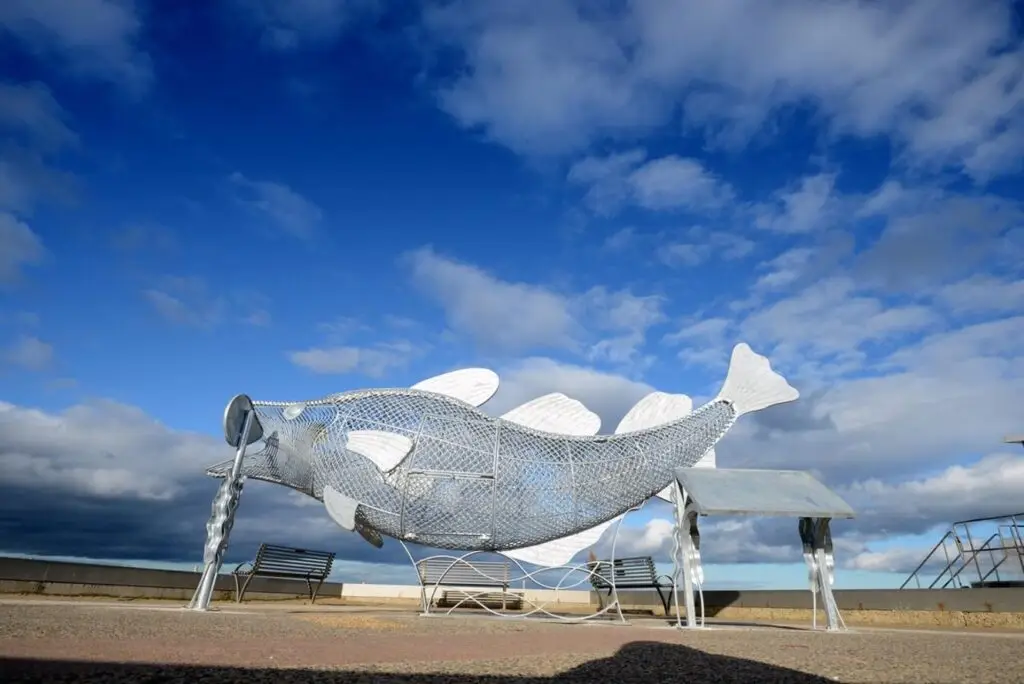
Feed the Fish!
Raising awareness of environmental issues through art, collaboration and creativity.
South Tyneside’s Feed the Fish initiative has brought together local businesses, the Council, community groups and students to create a striking sculpture that celebrates sustainability and inspires conversation about the marine environment. Originally conceived in 2019 by local business Colmans in partnership with the Council and Groundwork, the project gave South Tyneside College art, design, marine and engineering students the opportunity to design the fish as part of a practical in-year project.
This initiative combines public art, education and environmental engagement to promote positive behaviour change, encourage recycling, and highlight the importance of protecting our oceans.

STOC Re-Useable Cups Collaborations
Sipping Sustainably at the This is South Tyneside Festival
STOC’s reusable cup collaboration with South Tyneside Events, Ramside Event Catering and H&H has diverted thousands of single-use cups from landfill at major events. The £1 reusable cups reduce plastic waste while raising funds for food poverty support in the borough.
The initiative demonstrates how environmental action and social impact can be delivered together through simple, visible interventions.
Building on the success of this programme, STOC have collaborated with South Shields FC to adopt a re-useable cup scheme at their home games and events. Show your support by opting for a STOC re-useable cup when you’re at Mariners Park.
encouraged to adopt reusable cup schemes and circular solutions?

South Shields Fc Reuseable Cup Collab
Sipping Sustainably at South Shields FC
STOC has partnered with South Shields F.C. to introduce reusable cups at home games and events, helping to divert thousands of single-use plastic cups from landfill. The collaboration reinforces the club’s commitment to reducing its carbon impact while offering fans a simple, practical way to make more sustainable choices at Mariners Park, with reusable cups available at no extra cost.
This partnership highlights how local organisations can work together to reduce waste while supporting the wider community. Alongside environmental action, the club continues to champion community initiatives across the borough, regularly supporting food drives and collections for organisations such as Hospitality & Hope.
Get in touch with the STOC Good Food team to explore how collaboration can support your sustainability goals.
More Sustainable Food Information
Explore local food businesses, community growing and practical ways to create a more sustainable food system in South Tyneside.